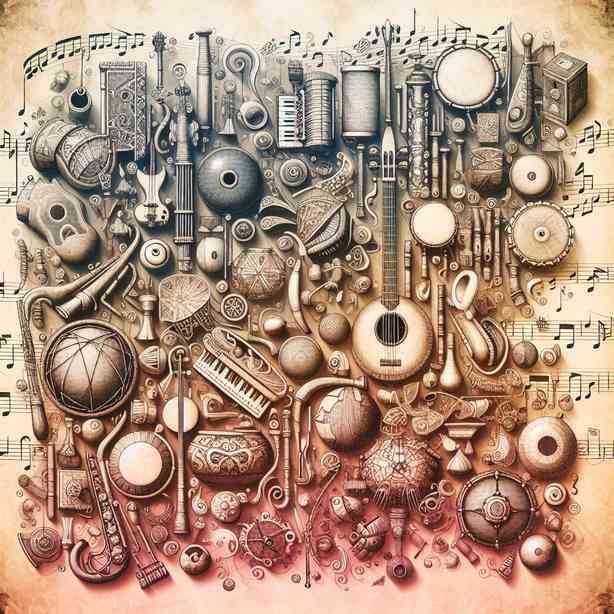
In the realm of music and art, we often celebrate the familiar instruments that shape our experiences. However, hidden within the fabric of musical history are a multitude of instruments that rarely cross our minds. They are the unsung heroes of the soundscape, each contributing unique textures, tones, and colors to the world of music. In this exploration, we will delve into some of these lesser-known instruments, illuminating their history, characteristics, and the roles they play in various musical traditions across the globe.
One such instrument is the Theremin, an electronic device invented by Léon Theremin in the early 20th century. This remarkable instrument is unique in that it is played without physical contact. Musicians control the pitch and volume by moving their hands near two metal antennas, creating an ethereal sound that has often been associated with science fiction and experimental music. The Theremin’s haunting tones have graced film soundtracks, particularly in the 1950s, lending an otherworldly quality to narratives. While its popularity peaked during that decade, today it is experiencing a resurgence in avant-garde music circles, showcasing the instrument’s versatility and rich heritage.
Another fascinating instrument is the Nyckelharpa, a traditional Swedish string instrument dating back to the 14th century. It resembles a violin but is distinctive for its key system, which allows players to modify pitches while bowing the strings. The Nyckelharpa is often used in folk music, particularly in Sweden, where it has become a symbol of national identity. Its warm, resonant sound evokes the earthy tones of nature and community gatherings, making it a beloved instrument among folk musicians. Recent years have seen an increase in its use beyond traditional contexts, as contemporary musicians experiment with blending folk sounds with modern genres, showcasing its adaptability.
Exploring further, we come across the Hang Drum, a relatively new and enchanting instrument. Developed in Switzerland in the early 2000s, this handpan instrument is constructed from two metal hemispheres, resulting in a soothing, melodic sound. The Hang Drum has gained favor among both amateur and professional musicians due to its meditative qualities. It finds its place in various settings, from street performances to intimate gatherings, and is celebrated for its ability to foster connection and tranquility. Musicians appreciate its portability and the unique sonic experience it provides, often incorporating it into yoga sessions and mindfulness practices.
Moving towards the world of percussion, the Cajón stands out as a strikingly versatile instrument originating from Peru. Traditionally made from wooden boxes, players sit on the Cajón and strike the front surface with their hands, producing a range of tones from deep bass notes to sharp slaps. Its simplicity and versatility make it a staple in many musical genres, including flamenco, jazz, and pop. As a culturally significant instrument, the Cajón reflects the rich history of Afro-Peruvian music and has transcended its regional roots, becoming a popular choice for artists worldwide, thus bridging cultural gaps through rhythmic expression.
Equally intriguing is the Shakuhachi, a bamboo flute rooted in Japanese Zen Buddhism. This instrument is characterized by its simple yet profound sound, which is often described as reflective and meditative. Traditionally used by monks for meditation, the Shakuhachi has evolved to represent Japanese culture and spirituality. Its music often captures the essence of nature, drawing inspiration from the surroundings. Today, it is often featured in contemporary fusion music, combining traditional sounds with modern influences, thereby keeping its history alive while appealing to new audiences.
The Ondes Martenot is another electronic instrument that deserves mention. Designed in the 1920s by Maurice Martenot, it produces sound through oscillating frequencies, manipulated by a keyboard or a wire. This instrument has a rich history in classical and contemporary music, famously used by composers such as Olivier Messiaen and Edgard Varèse. Its ghostly sound creates an atmosphere of suspense or melancholy, making it a valuable tool for composers looking to evoke strong emotions. With advancements in technology, the Ondes Martenot has found its way into popular music, further establishing its relevance in modern compositions.
The Guqin is a seven-stringed zither from China, steeped in 3,000 years of history. This instrument embodies the philosophical ideals of Confucianism, and its music is often associated with tranquility and introspection. Traditionally played solo, the Guqin is unique in that it emphasizes the subtlety of sound over complexity. It is often referred to as the “scholar’s instrument,” embodying the principles of simplicity and refinement. In recent years, there has been a revival of interest in the Guqin, with contemporary musicians exploring its combinations with modern styles to introduce it to a global audience.
Lastly, we encounter the Hurdy-Gurdy, a stunning mechanical instrument that produces sound through a combination of strings and a rotating wheel. Originating in medieval Europe, it features a keyboard that allows players to modify pitch while the wheel creates sustained notes. This instrument is often associated with folk music and is known for its rich, droning sound that can evoke emotions ranging from joyful to melancholic. The Hurdy-Gurdy’s revival in the 21st century showcases its adaptability, as musicians blend its historical roots with various genres, keeping the spirit of this unique instrument alive.
As we wrap up this exploration of the instruments that are often overlooked, it is essential to recognize the beauty and diversity they bring to musical expression. Each instrument carries a rich history and cultural significance, representing the ingenuity of human creativity. Whether it is the ethereal sounds of the Theremin, the meditative tones of the Shakuhachi, or the rhythmic energy of the Cajón, these instruments challenge our conventional understanding of music and encourage us to look beyond the mainstream.
In conclusion, the world of lesser-known instruments offers a boundless realm of exploration and discovery. They remind us that music is not just about the familiar; it is about the stories we tell, the emotions we evoke, and the connections we make. By exploring these unique tools of expression, we not only enrich our musical experiences but also celebrate the diversity of human culture and creativity. Let us continue to seek out these hidden gems in the world of music, for they hold the power to transform our understanding and appreciation of sound in profound ways.